How Dangerous Is Yard Debris During Tropical Storm Winds?
When thinking about tropical-storm-force winds, most folks picture flying shingles or broken tree limbs taking down power lines. But what about the stuff right in your own yard—leaves, loose branches, lawn chairs, and the usual debris pile-ups? These items can quickly become airborne projectiles, posing a serious property damage risk or worse during even a moderate tropical storm. Yet, a lot of people stay complacent during what’s called the “quiet season,” ignoring the real dangers yard debris can present.
Quiet Season Complacency and Why It’s Risky
Florida’s hurricane season runs from June 1 through November 30, but many homeowners treat the early season or “quiet” months like June and July as times when storm preparation can wait. NOAA’s seasonal outlooks often show lower activity forecasts during these months, which adds fuel to the complacency fire.
Here’s the reality: tropical-storm-force winds (39–73 mph) can show up anytime, not just at the height of the hurricane season. Those winds have enough strength to pick up and toss yard debris, turning harmless branches and garden tools into dangerous airborne projectiles.
During calm months, yard debris accumulates unchecked. That’s not just unsightly; it’s a ticking time bomb if a tropical storm or even a strong thunderstorm rolls through. Loose branches, lawn furniture, mulch piles, and tools can become missiles traveling at high speed that damage car windows, roofs, or even injure bystanders.
What Can Become a Projectile?
- Loose branches and twigs
- Lawn furniture (chairs, tables)
- Plant pots and garden statues
- Trash bins and bags
- Pool equipment and toys
- Tools left on the lawn or in sheds
As a rule of thumb, walk your yard with this question in mind: What can become a projectile? Secure, store, or remove any item that a gust can lift.
NOAA Seasonal Outlooks: What They Tell Us and What They Don’t
NOAA’s seasonal hurricane outlooks get a lot of attention early in the season, often leading residents to form strong opinions about whether the year will be “bad” or “mild.” While these forecasts give a big-picture view of storm activity probabilities, they don’t predict specific events, timing, or localized wind impacts.
Seasonal forecasts are helpful for planning long-term preparedness but are not a substitute for being ready at all times during hurricane season. Every year, we see tropical storms develop unexpectedly or earlier/later than models predicted — and they often bring tropical-storm-force winds.
Limits of Seasonal Outlooks
What NOAA Seasonal Outlooks Provide What They Don’t Provide Probabilities of named storm frequency Exact dates and times for tropical-storm-force wind events Long-term activity trends (above, near, or below average) Localized wind speeds and debris impact zones Risk categories for different regions (e.g., Gulf vs. Atlantic coasts) Forecast of specific debris damage risksBottom line: don’t relax your yard debris cleanup just because NOAA isn’t predicting a busy season. Local wind events can still make a mess with your unsecured items.
Peak Season Timing: When to Step Up Your Yard Prep
Historically, the peak of the Atlantic hurricane season is mid-August through October. This period is when tropical-storm-force winds are most common and when hurricane watch triggers often prompt local municipalities to suspend curbside yard debris collection.
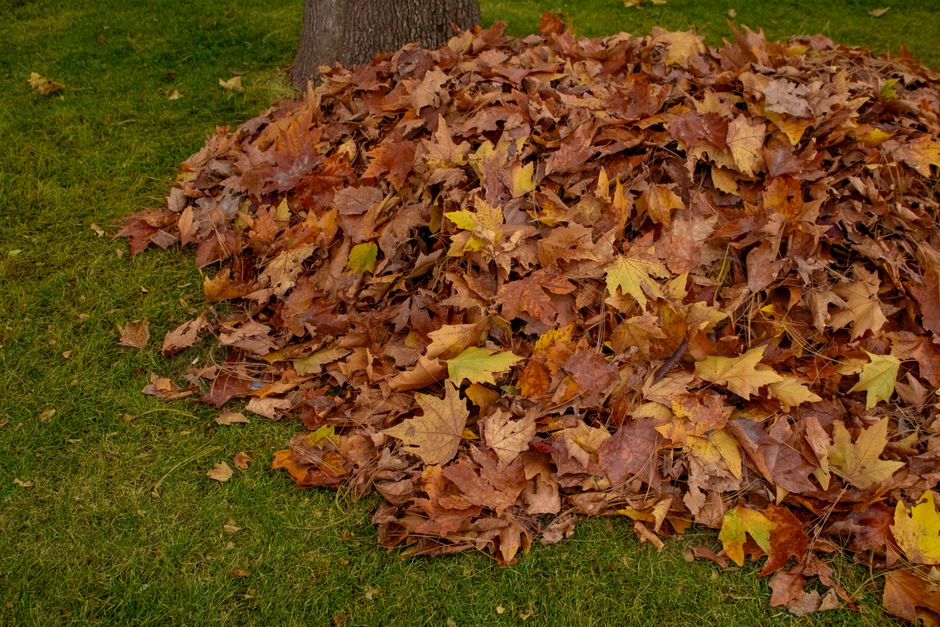
Why suspend collection? Because loose debris piles outside collection scheduling windows turn into high-risk projectiles during tropical-storm-force winds. Crews need time to clear out debris safely before a storm, and keeping yards free of loose trash is critical.
During peak season, here’s a monthly checklist to keep your yard safe:
- August: Trim overhanging branches and mow frequently.
- September: Stow away lawn furniture and secure loose items in sheds or garages.
- October: Finalize debris cleanup before height of threats; monitor local advisories for curbside collection suspensions.
Following this routine aligns your yard prep with local emergency protocols and reduces projectile risks substantially.
Yard Debris as Projectile Risk: Real-World Impacts
Aerodynamic research and damage reports highlight how relatively small debris can become lethal projectiles at tropical-storm-force wind speeds. For example:
- A 2-inch diameter branch weighing less than 2 pounds can travel at speeds enough to break windows or dent aluminum siding.
- Unsecured lawn chairs can be thrown over fences, smashing cars or break windows.
- Loose pots or garden ornaments can injure people or animals outdoors.
One common misconception is that only hurricane-force winds (>74 mph) cause debris damage. In truth, tropical-storm-force winds are strong enough to mobilize many items and cause unexpected damage. Always assume any item weighing less than 30-40 pounds can become airborne.
Case Study: Curbside Suspension Helps Mitigate Risk
Counties often activate a hurricane watch and announce curbside yard debris collection suspension ahead of tropical events. This policy is more than administrative hassle — it is a critical step in reducing the overhead risk of debris flying in tropical-storm-force winds. Residents who ignore these advisories or delay cleanup increase neighborhood hazards.
Final Thoughts: Timing and Taking Action Matter Most
Don’t let quiet season lull you into a false sense of security about the risk of flying yard debris. Tropical-storm-force winds can appear early, late, or unexpectedly, and unchecked yard debris always raises the stakes.
Reliable preparation means:
- Putting your yard debris management on a clear timeline tied to seasonal risk, not just NOAA forecasts.
- Walking your yard regularly asking, “ What can become a projectile?” and acting accordingly.
- Knowing your county’s curbside collection policies, especially when hurricane watches prompt suspensions to reduce airborne debris risk.
Keep your yard—and your neighborhood—safe by treating tropical-storm-force winds seriously. It’s not hurricane insurance claim checklist just about the big storms: it’s about managing the small stuff that becomes deadly when the wind picks up.
